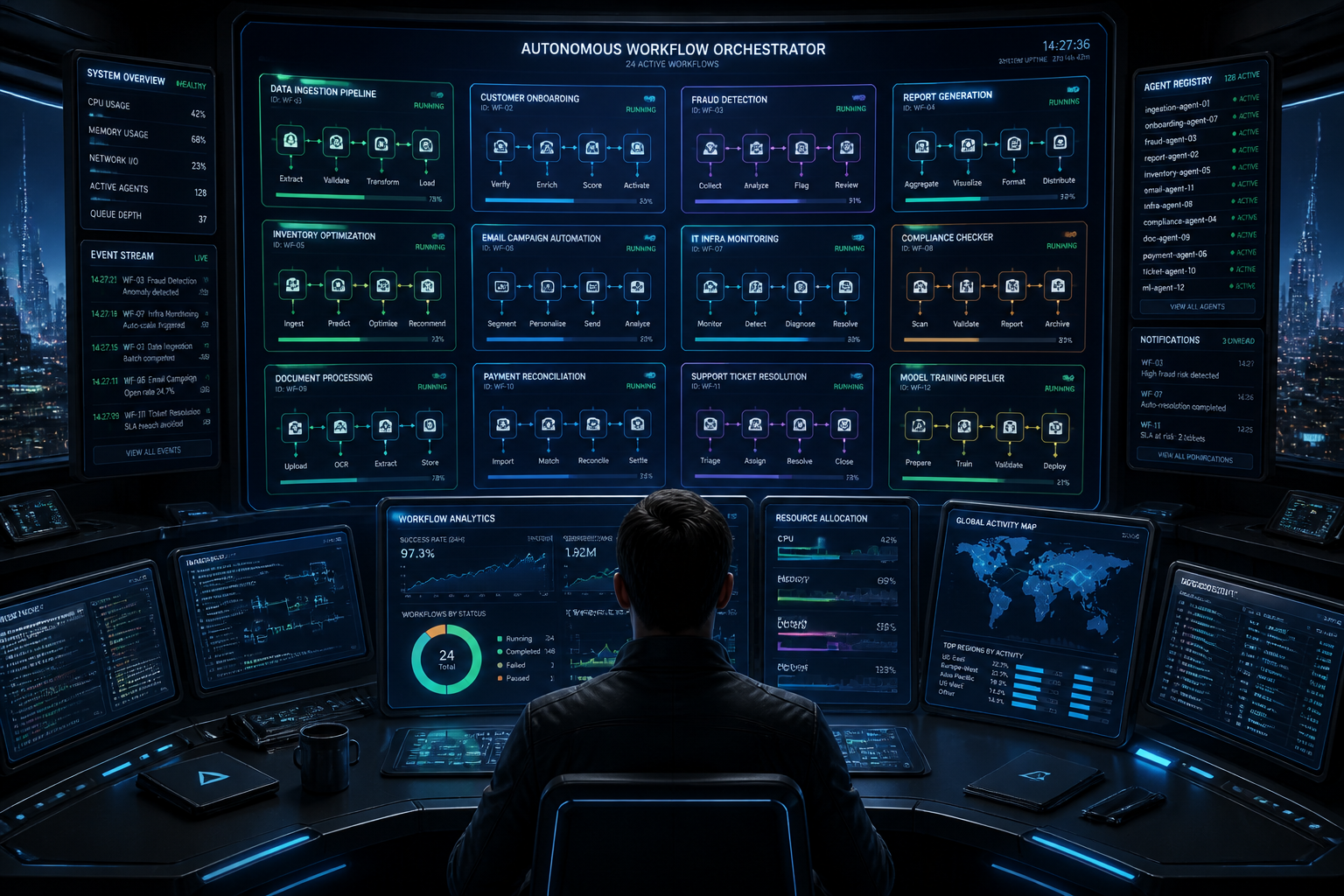
This lesson explores how modern AI systems move beyond simple responses to independently pursue objectives, execute tasks, and adapt to changing conditions. You'll learn about goal-driven execution, tool usage, memory, and reflection loops.
The next generation of AI is not just answering questions—it is completing tasks. Autonomous systems can plan, act, and evaluate outcomes, enabling highly capable digital coworkers and workflow automation.
Most AI interactions today are reactive: you provide a prompt, the model predicts the next sequence of words, and stops. It has no continuous drive or autonomy. Autonomous Agents represent a paradigm shift.
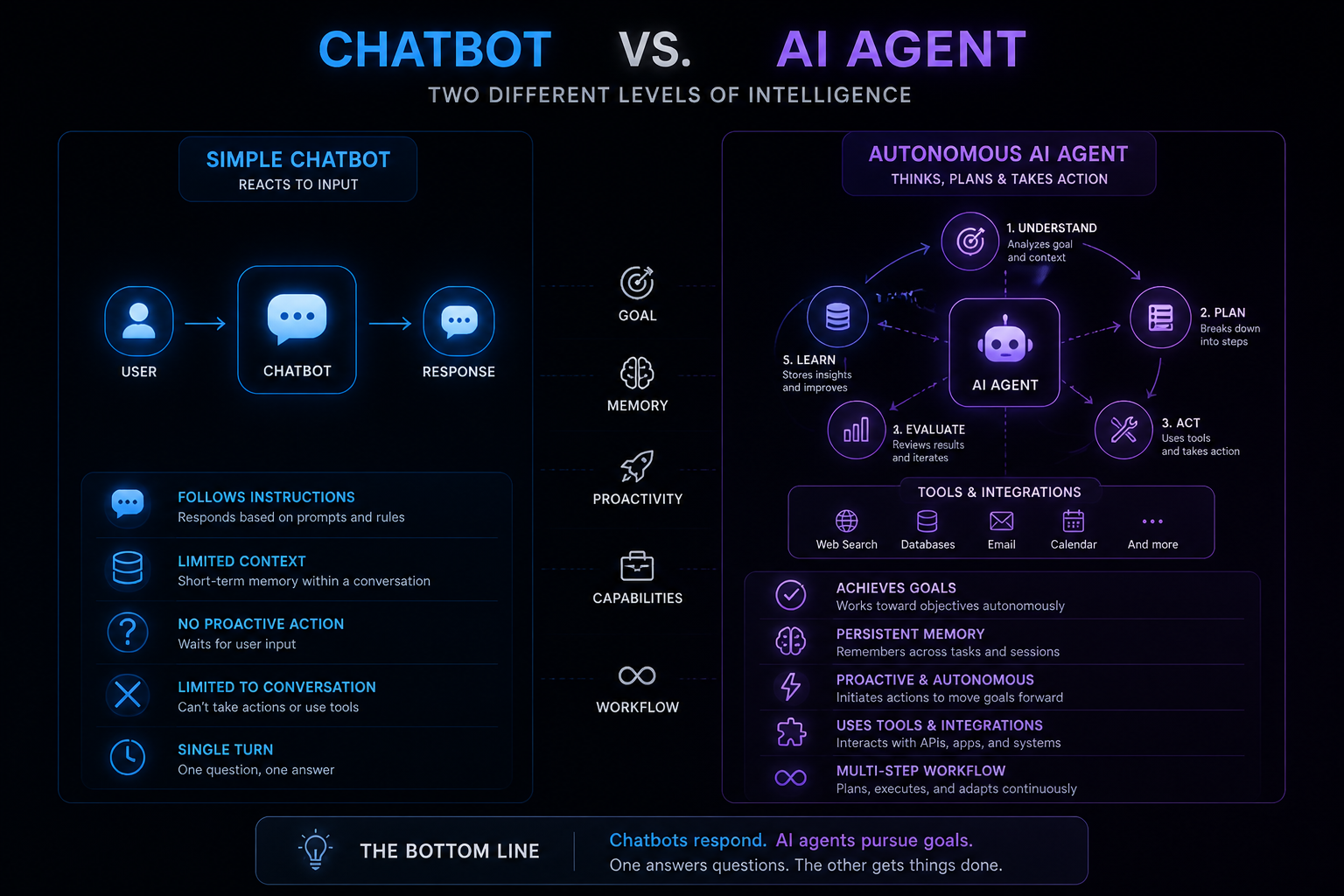
Click below to reveal the core differences in behavior:
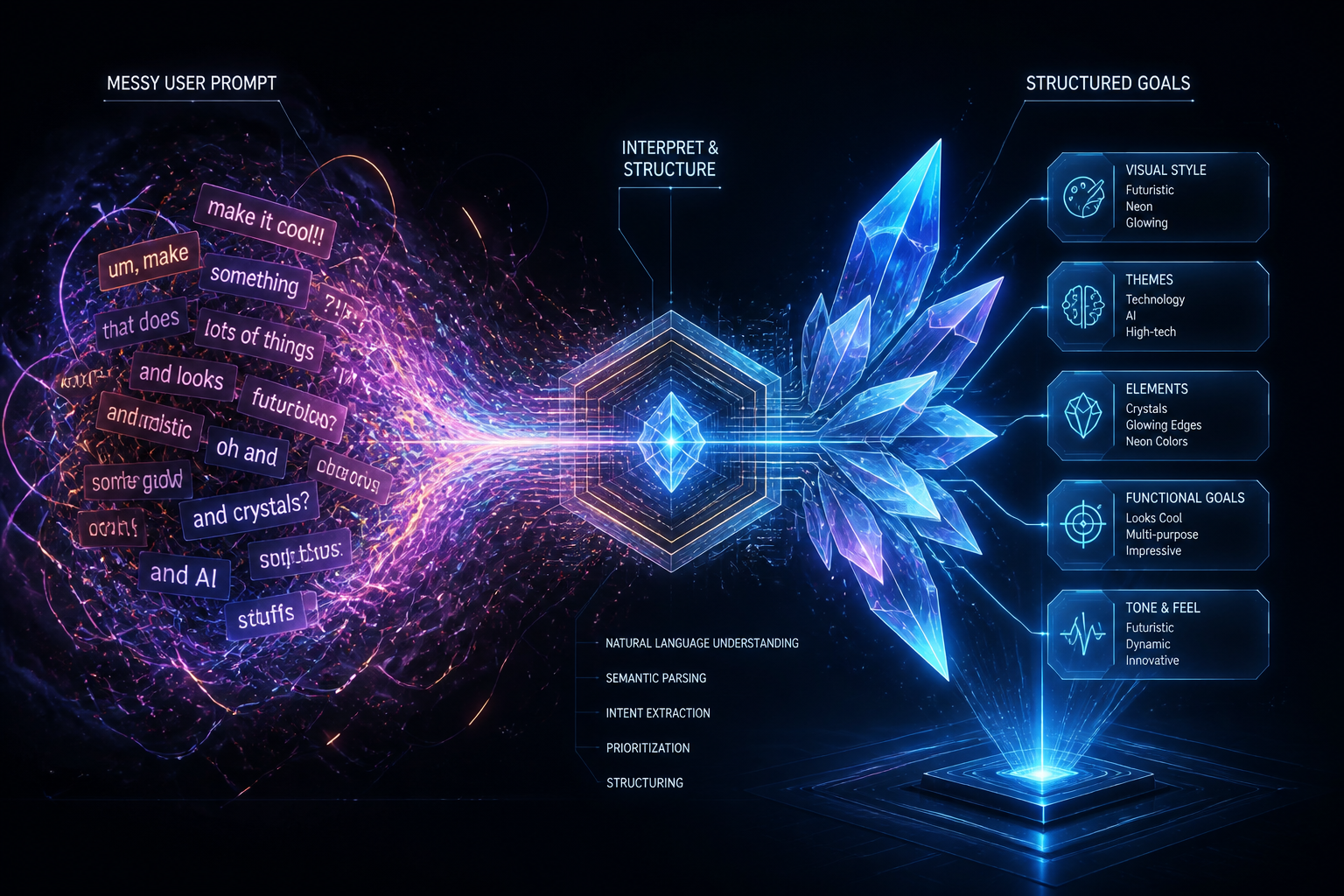
Autonomy begins with intent. Before an agent can act, it must translate a messy, vague human prompt into a structured, actionable objective. If the goal is misaligned, every subsequent autonomous action will be flawed.
Click "Process Prompt" to see how the agent structures intent before acting.
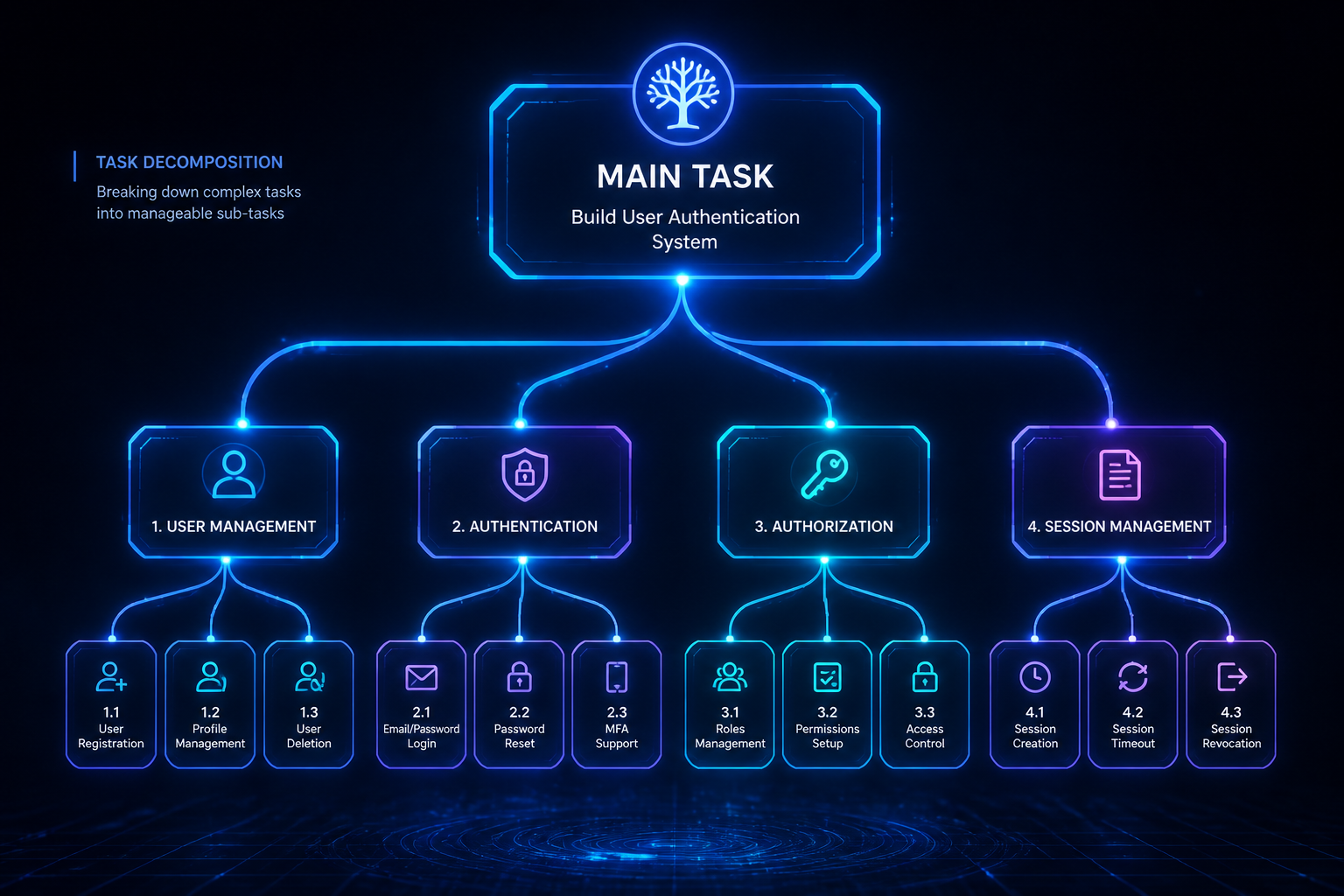
LLMs struggle to solve complex problems in a single pass. To succeed autonomously, the agent must break its high-level goal into a sequence of smaller, manageable sub-tasks. This creates a plan or "task tree."
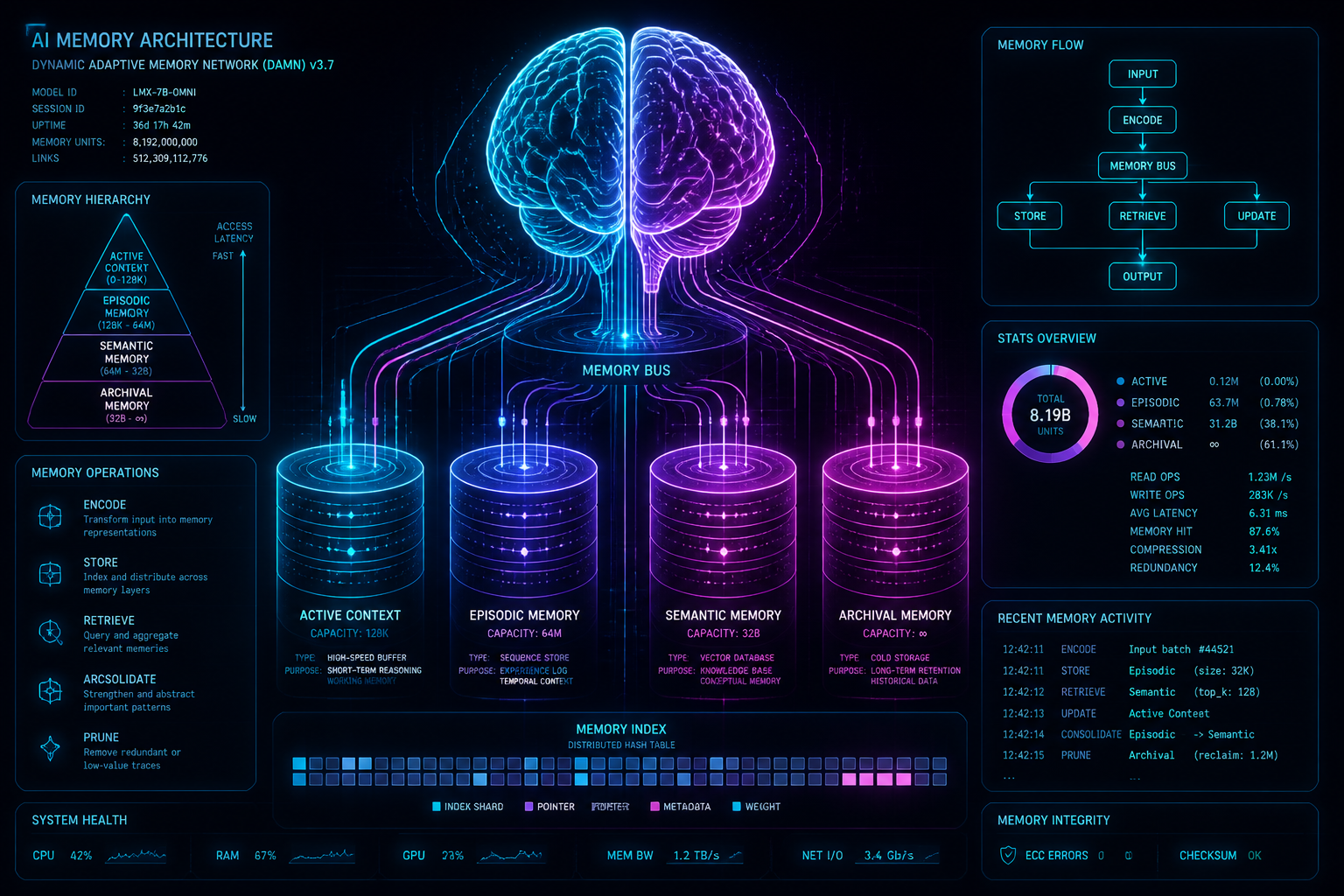
Without memory, an agent is amnesic. It would forget what it did 5 minutes ago. Autonomous systems use two primary forms of memory to maintain state across long-running tasks.
The immediate conversational history and scratchpad. It is fast and highly accurate, but strictly limited by the LLM's maximum token count (e.g., 128k tokens). Once filled, older information falls out.
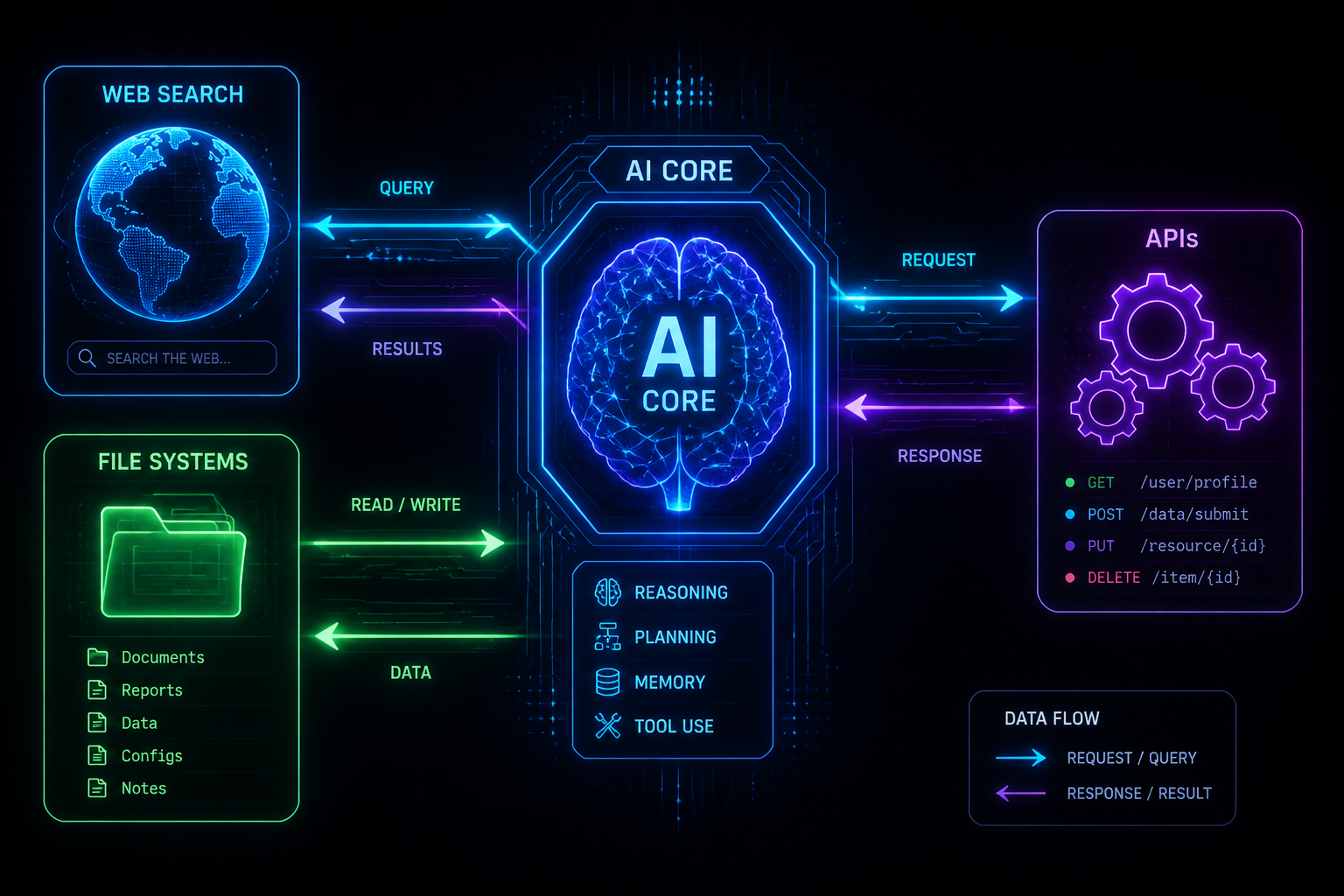
LLMs cannot natively browse the web, write files, or query APIs. To affect the outside world, autonomous agents are equipped with "Tools"—functions they can call to execute actions and retrieve real data.
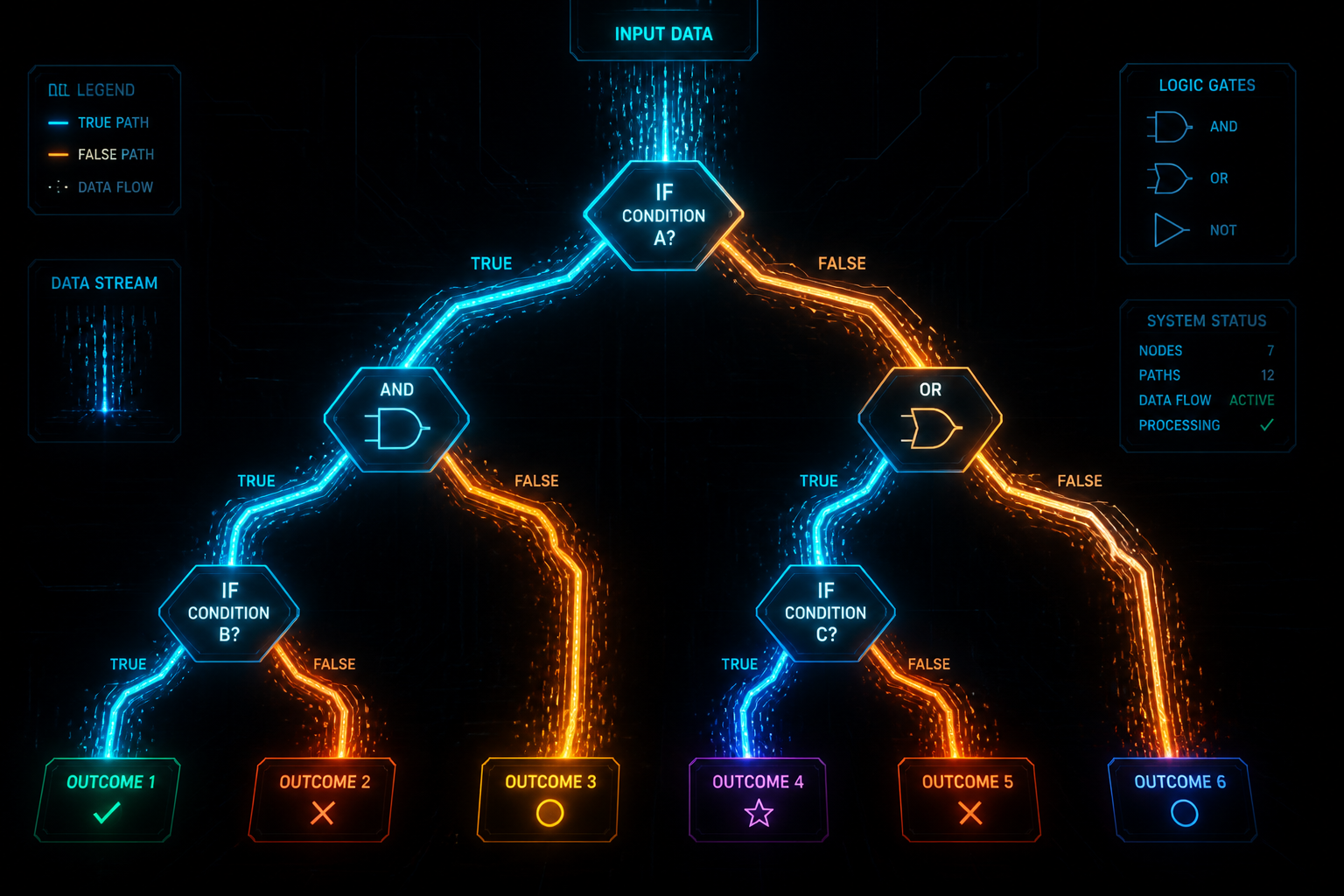
At every step, the agent must decide its next move based on the current context, the task tree, and the outputs of previous tools. It uses routing logic to dynamically choose paths.
Choose the correct routing path for the agent:
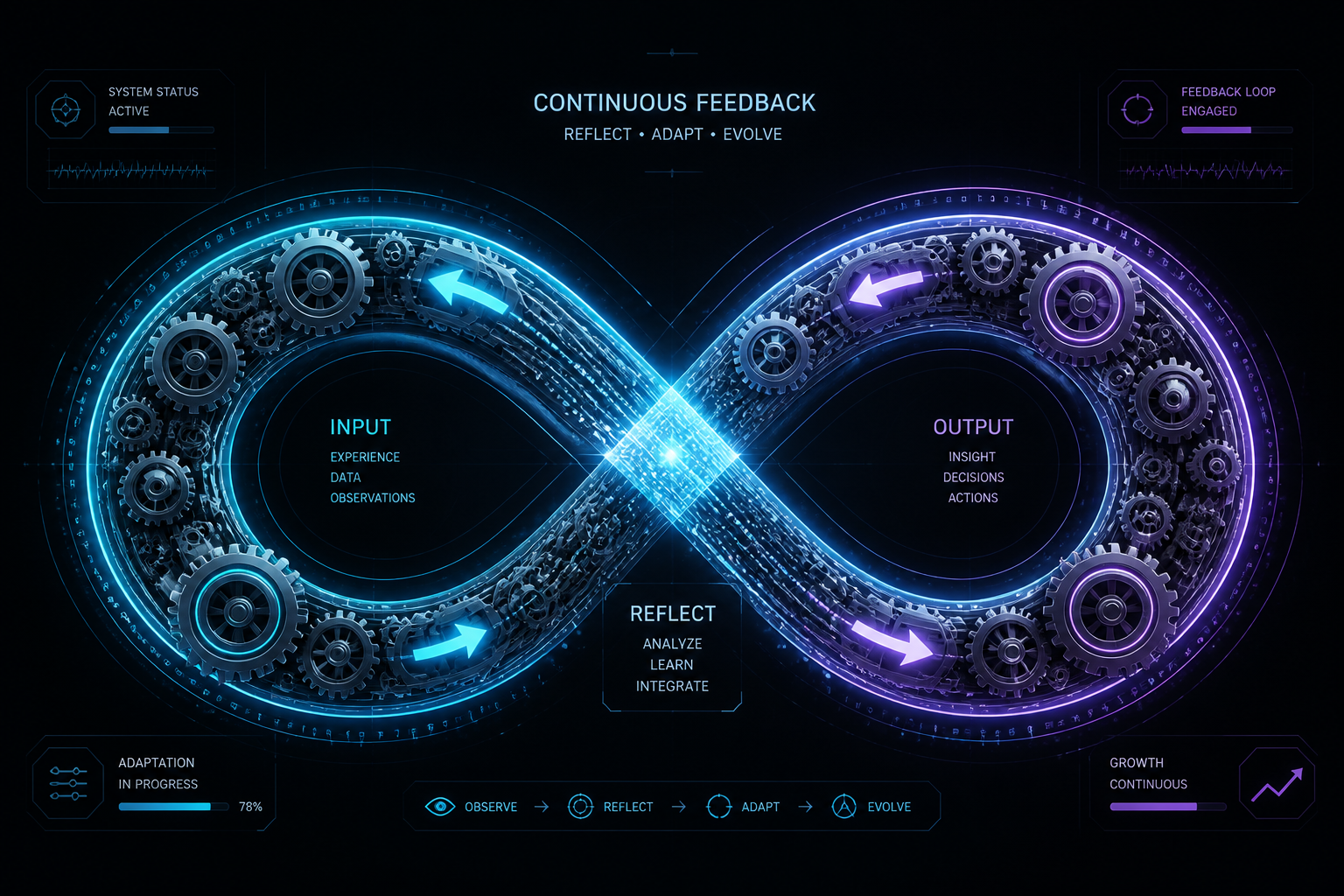
Agents make mistakes. Tools fail, APIs timeout, and code errors out. The hallmark of true autonomy is the ability to recognize a failure, reflect on the error, and try a new approach.
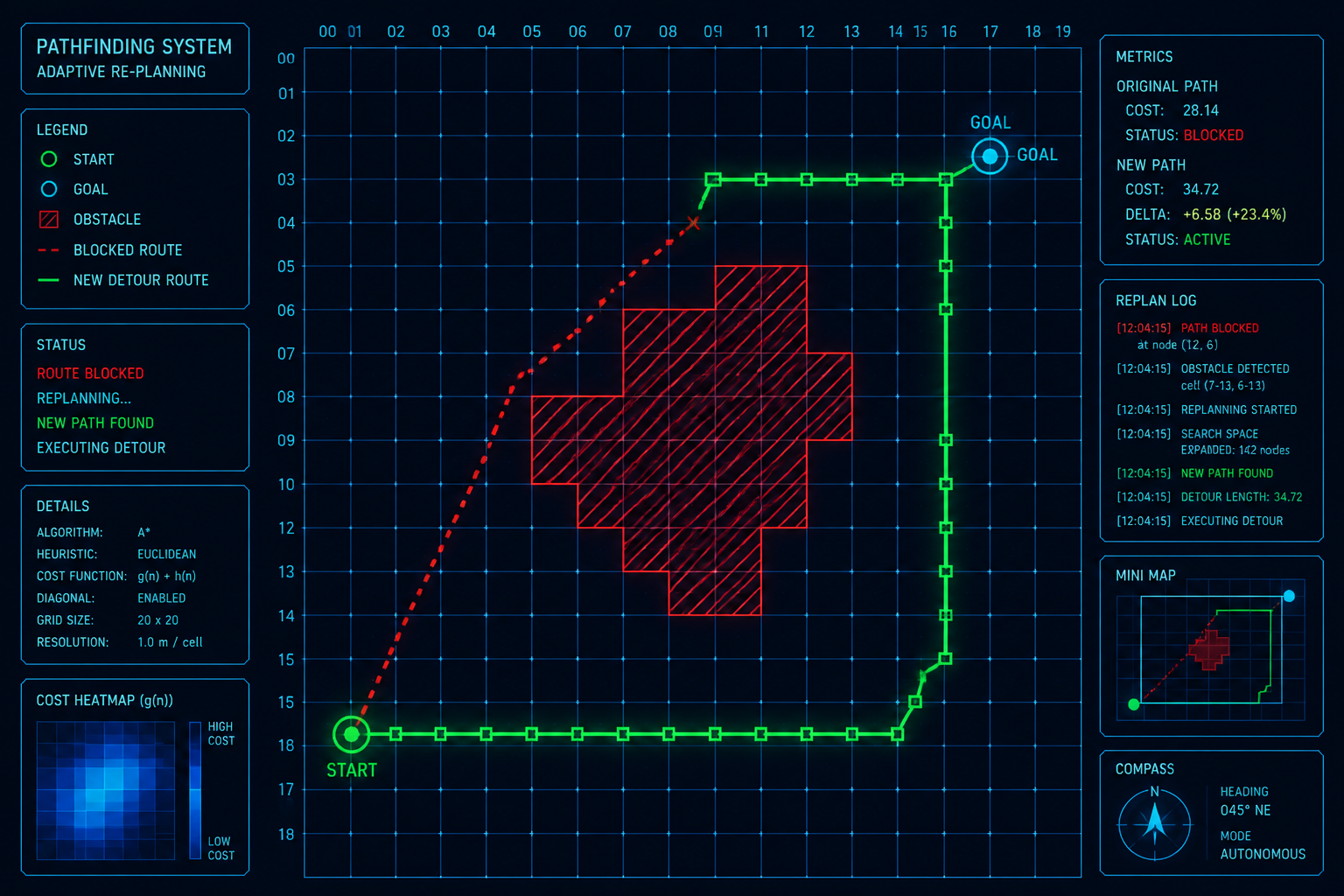
Sometimes, reflecting on an error reveals that the entire plan is flawed. Adaptive re-planning allows the agent to discard its current task tree and generate a new path to the goal based on new constraints.
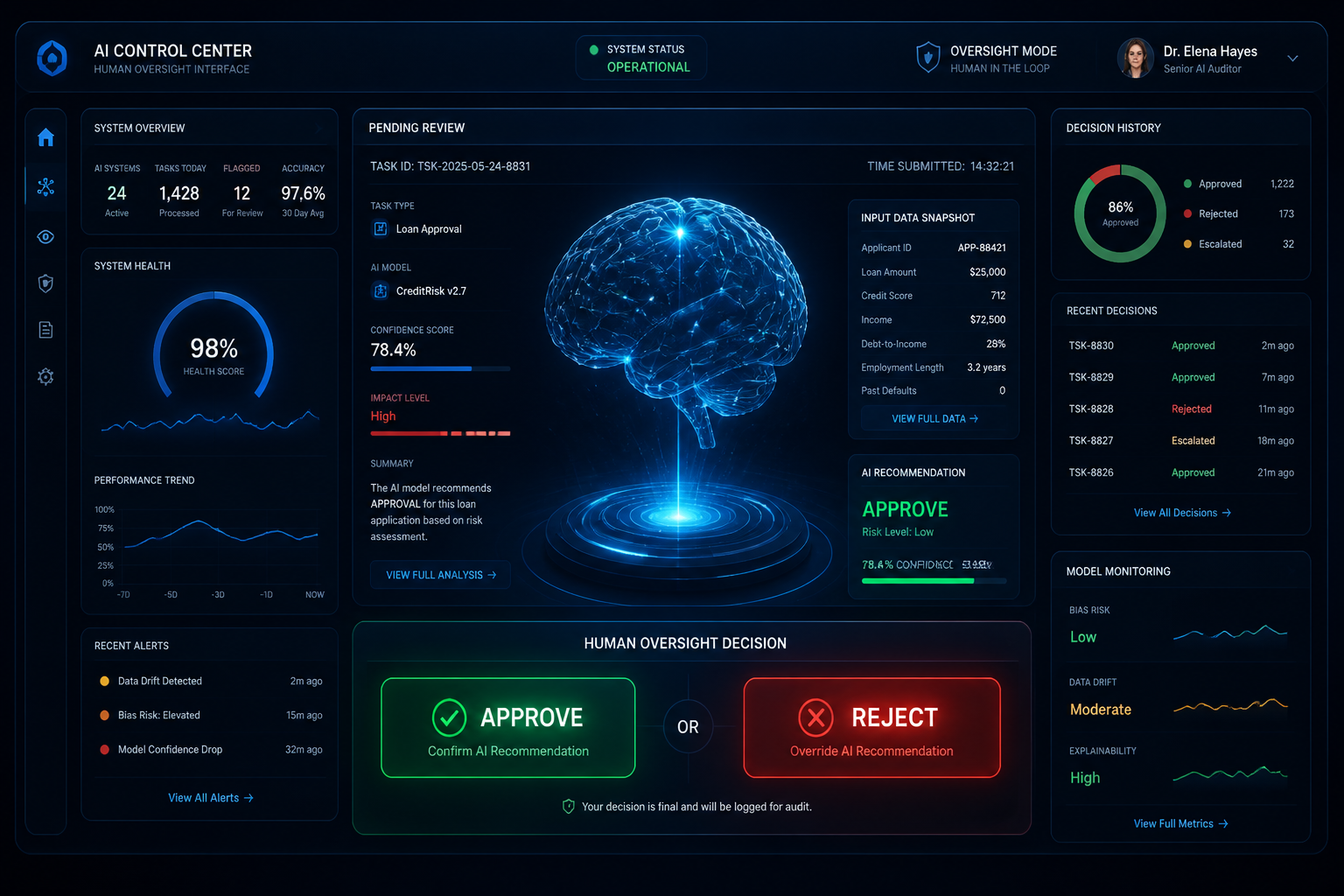
True autonomy is powerful but risky. For high-stakes actions like modifying production databases, sending emails, or executing financial transactions, systems implement HITL architecture. This pauses the agent and requests human approval before proceeding.
Robust autonomous systems don't just crash when they hit an error. They classify the failure and apply a specific recovery strategy.
How is this technology applied today? Autonomous agents are moving out of the lab and into production workflows, functioning as specialized digital coworkers.
Test your understanding of Autonomous AI Systems.